

ISO Certification in Philippines – Strengthening Food Safety with ISO 22000
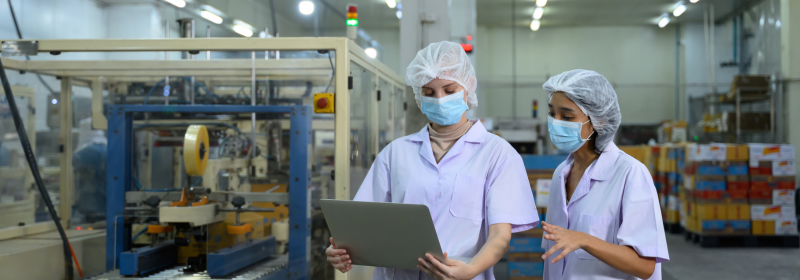
Learn how ISO 22000 certification in the Philippines helps food businesses strengthen food safety, meet global standards, build trust, and expand market opportunities.
Food products pass through multiple stages before reaching consumers, making food safety a responsibility that extends across the entire supply chain. As customer expectations, regulatory requirements, and global trade continue to evolve, businesses are expected to demonstrate consistent and reliable food safety practices. For food manufacturers, processors, exporters, and suppliers in the Philippines, food safety is an important factor in building customer confidence and expanding market opportunities.
This is where ISO 22000 certification becomes valuable. An internationally recognized food safety management system (FSMS), ISO 22000 provides a structured framework for organizations to identify food safety risks, strengthen processes, and demonstrate their commitment to safe food production.
For businesses exploring ISO certification Philippines, ISO 22000 has become one of the most relevant standards for building trust across the food supply chain.
Understanding ISO Certification in the Philippines
ISO certification demonstrates that an organization follows internationally recognized management system standards. In the Philippines, businesses across industries pursue ISO certifications to strengthen operational practices, improve customer confidence, and demonstrate alignment with global expectations.
While different ISO standards address different business needs, food-related organizations often focus on ISO 22000 certification because of its direct connection to food safety management. The standard applies to organizations throughout the food chain, including:
-
Food manufacturers
-
Food processors
-
Packaging companies
-
Storage and logistics providers
-
Catering businesses
-
Restaurants
-
Ingredient suppliers
The objective is not only to produce safe food but also to establish a consistent system where food safety risks are identified and managed.
What Is ISO 22000 Certification?
ISO 22000 certification is an international standard designed for creating and maintaining a Food Safety Management System (FSMS). The standard combines key principles from food safety practices, including hazard identification, risk management, communication, and continuous improvement. Unlike traditional food quality checks that happen only at specific stages, ISO 22000 focuses on controlling risks throughout the entire food chain.
The framework addresses areas such as:
-
Food safety hazards
-
Operational controls
-
Supplier management
-
Traceability
-
Emergency preparedness
-
Process monitoring
For organizations in the food industry, ISO 22000 provides a recognized way to demonstrate that food safety is treated as a structured business priority. ISO 22000 food safety certification helps organizations demonstrate that their Food Safety Management System meets internationally recognized requirements.
Why Food Safety Matters for Businesses in the Philippines
The food industry in the Philippines continues to grow as businesses expand into international markets, partner with global retailers, and participate in increasingly complex supply chains. With this growth comes greater responsibility, as a single food safety incident can impact customer trust, brand reputation, business relationships, and market access.
Implementing effective food safety practices helps organizations build confidence among customers and business partners. ISO 22000 supports this by providing a structured framework that embeds food safety into everyday business processes rather than relying solely on individual actions.
As expectations for food safety management system Philippines continue to grow, organizations are adopting structured management systems to strengthen food safety performance.
ISO 22000 and HACCP: Understanding the Connection
Many food businesses are already familiar with HACCP (Hazard Analysis and Critical Control Points), a preventive approach that focuses on identifying and controlling food safety hazards. ISO 22000 builds on these HACCP principles by incorporating them into a comprehensive Food Safety Management System (FSMS). In addition to hazard control, it includes elements such as management responsibility, communication across the food chain, system evaluation, and continual improvement, providing organizations with a more structured approach to managing food safety.
Key Elements of ISO 22000 Requirements
ISO 22000 establishes a structured framework for managing food safety across the entire food supply chain. Key elements include:
-
Hazard Control and Risk Management
Organizations identify and evaluate potential food safety hazards, including biological, chemical, physical, and process-related risks, to prevent them from affecting consumers.
-
Food Safety Communication
The standard promotes effective communication among suppliers, manufacturers, distributors, retailers, and other relevant parties to ensure food safety information is shared throughout the supply chain.
-
Operational Controls
Organizations establish and maintain controls for production, handling, storage, and distribution activities to ensure consistent food safety across daily operations.
-
Traceability
ISO 22000 requires organizations to implement traceability systems that enable food products to be tracked throughout the supply chain, supporting faster identification and response during food safety incidents or product recalls.
Benefits of ISO 22000 Certification for Food Businesses
ISO 22000 certification offers several advantages for organizations looking to strengthen their food safety management practices:
-
Building Consumer Confidence
Certification demonstrates a commitment to internationally recognized food safety practices, helping build customer trust and confidence in the quality and safety of food products.
-
Expanding Business Opportunities
Many customers, retailers, and international buyers prefer or require suppliers with recognized food safety certifications. ISO 22000 can support access to new markets and business opportunities.
-
Strengthening Supply Chain Relationships
The standard promotes effective communication and collaboration across the food supply chain, helping organizations establish stronger relationships with suppliers, distributors, and business partners.
-
Improving Operational Consistency
By implementing a structured Food Safety Management System (FSMS), organizations can standardize processes, improve operational control, and reduce the risk of food safety issues.
Who Should Consider ISO 22000 Certification?
ISO 22000 is relevant for organizations involved in any stage of the food chain. ISO certification for manufacturers Philippines is particularly valuable for organizations supplying domestic and international markets, helping demonstrate commitment to recognized food safety standards.
This includes:
-
Food production companies
-
Beverage manufacturers
-
Dairy businesses
-
Seafood processors
-
Agricultural suppliers
-
Food packaging organizations
-
Food storage providers
-
Restaurants and catering companies
Any organization that influences food safety can benefit from demonstrating alignment with international food safety standards.
ISO 22000 Certification in the Philippines: A Growing Business Priority
The Philippines has a diverse food industry that includes local producers, manufacturers, exporters, and international suppliers. As competition increases, businesses need ways to demonstrate reliability and quality. ISO certification in the Philippines has become an important consideration for organizations aiming to strengthen credibility. For food businesses, ISO 22000 certification provides a recognized approach to demonstrating commitment toward food safety, customer protection, and operational excellence.
Choosing the Right Certification Partner
Understanding the ISO 22000 certification process helps organizations prepare for implementation, certification audits, and continual improvement.
The credibility of an ISO certification depends on the recognition and expertise of the certification body. Organizations pursuing ISO 22000 certification often look for certification partners with experience across international management system standards. INTERCERT provides certification services across various ISO standards, including food safety management systems.
With expertise in evaluating management systems against internationally recognized requirements, INTERCERT enables organizations to demonstrate alignment with global standards and strengthen confidence among customers and stakeholders. For businesses seeking ISO 22000 certification in the Philippines, working with an experienced certification body can create greater confidence in their certification journey.
Your Next Step Toward ISO 22000 Certification
Food safety is one of the strongest foundations of a successful food business. For organizations in the Philippines, ISO 22000 certification provides a globally recognized framework for managing food safety risks and building customer confidence. From manufacturers and suppliers to restaurants and exporters, businesses across the food chain are recognizing the value of internationally accepted standards.
With increasing focus on food safety compliance Philippines, quality management, and consumer trust, ISO 22000 certification has become a strategic investment for organizations looking toward long-term growth. INTERCERT’s role in providing recognized ISO certification services enables businesses to demonstrate their commitment to safer food practices and stronger operational standards.


 +1 (281) 720-3261
 info@intercert.com
 2001 Timberloch Place - Suite 500, The Woodlands, Texas 77380, United States