

Why ISO 22000 is more important in food safety?
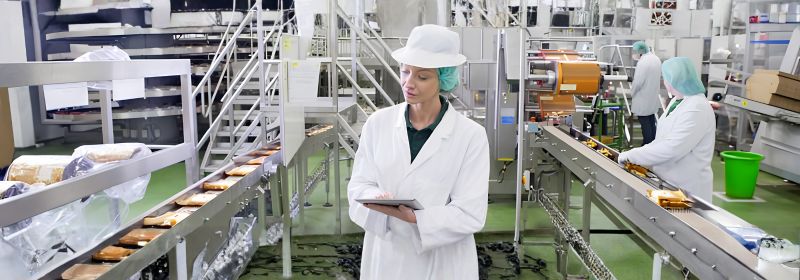
Ensure food safety across the supply chain with ISO 22000. Learn how it reduces risks, improves compliance, and builds trust in global food systems.
Every day, millions of people consume food without a second thought about its safety. Yet, behind every meal lies a complex journey, one that spans farms, factories, warehouses, and retail shelves. At any stage, contamination can occur, leading to serious health risks, costly recalls, and long-term damage to brand reputation.
As global food supply chains grow more complex, maintaining consistent safety standards is a necessity. This raises a critical question: how can organizations guarantee food safety across every step of the process? The answer lies in adopting a structured and internationally recognized system like ISO 22000, a food safety management standard designed to minimize risks and protect consumers.
What is ISO 22000 Certification?
ISO 22000 is an internationally recognized Food Safety Management System (FSMS) standard designed to ensure food is safe at every stage of the supply chain. It enables organizations to systematically identify, assess, and control food safety hazards, reducing the risk of contamination and ensuring compliance with global safety expectations.
The standard applies to all types of organizations within the food chain, including producers, manufacturers, processors, storage providers, distributors, and retailers. Its broad applicability makes it a unified framework for managing food safety across diverse operations.
ISO 22000 combines key elements such as Hazard Analysis and Critical Control Points (HACCP), prerequisite programs (PRPs), and a structured management system approach. It also incorporates continuous monitoring and improvement to maintain effectiveness over time. The ISO 22000:2018 revision further strengthens the standard by introducing risk-based thinking and aligning it with other ISO management system standards, enabling easier integration with frameworks like quality or environmental management systems. The standard provides a clear and systematic method for organizations to manage food safety risks and ensure consistent delivery of safe food products.
Key Components of ISO 22000 Certification
ISO 22000 certification is structured around a set of core elements that work together to build a reliable and effective food safety management system. Each component plays a specific role in identifying risks, maintaining control, and ensuring consistency across operations.
-
Hazard Analysis and Risk Control (HACCP Principles)
At the core of ISO 22000 is the HACCP approach, which focuses on identifying potential biological, chemical, and physical hazards in the food process. Organizations establish critical control points and embed measures to prevent, eliminate, or reduce these risks to acceptable levels.
-
Prerequisite Programs (PRPs)
PRPs form the foundation of food safety by addressing basic operational conditions. This includes hygiene practices, sanitation procedures, equipment maintenance, and environmental controls necessary to create a safe production environment.
-
Communication Across the Supply Chain
Clear and consistent communication is essential to ensure that food safety requirements are understood and maintained at every stage. ISO 22000 emphasizes information sharing between suppliers, manufacturers, distributors, and other stakeholders to minimize risks and maintain transparency.
-
Continuous Monitoring and Improvement
ISO 22000 requires ongoing evaluation of processes through internal audits, performance monitoring, and corrective actions. This ensures that the system remains effective, adapts to emerging risks, and aligns with evolving regulatory and industry expectations.
Business Benefits of ISO 22000 Certification
While ISO 22000 is centered on food safety, its impact extends well beyond meeting regulatory requirements. It strengthens business performance, enhances credibility, and creates long-term value across operations.
-
Stronger Customer Confidence: Certification demonstrates a clear commitment to food safety and quality, reinforcing trust among consumers, partners, and stakeholders.
-
Access to Global Markets: ISO 22000 is widely recognized across international markets, making it easier for organizations to meet buyer expectations and expand their reach.
-
Lower Risk Exposure and Costs: A preventive approach to food safety minimizes the chances of contamination, reducing the risk of product recalls, legal liabilities, and associated financial losses.
-
Improved Operational Efficiency: Well-defined processes and controls lead to better resource utilization, fewer disruptions, and more consistent output.
Who Needs ISO 22000 Certification?
ISO 22000 is designed for all organizations involved in the food supply chain, regardless of size or complexity. It is not limited to large manufacturers; any entity that directly or indirectly impacts food safety can benefit from its integration.
This includes:
-
Food producers and processors: Farms, fisheries, and manufacturing units responsible for primary production and processing
-
Packaging companies: Organizations involved in producing materials that come into contact with food
-
Storage and logistics providers: Warehousing, transportation, and distribution services handling food products
-
Retailers and restaurants: Businesses that sell or serve food directly to consumers
-
Ingredient and raw material suppliers: Suppliers providing inputs used in food production
Common Food Safety Challenges and How ISO 22000 Addresses Them?
Organizations across the food supply chain often face challenges such as inconsistent safety practices, limited visibility over suppliers, and increasing regulatory demands. These gaps can lead to operational inefficiencies and, in some cases, serious food safety risks.
ISO 22000 provides a structured framework to manage and overcome these challenges:
-
Standardized Processes: It establishes uniform procedures across operations, ensuring consistency in how food safety is managed at every stage.
-
Defined Roles and Accountability: Clear assignment of responsibilities improves oversight and ensures that critical tasks are properly managed and monitored.
-
Robust Supplier Control: The standard emphasizes supplier evaluation and ongoing monitoring, reducing risks associated with external inputs.
-
Alignment with Global Requirements: ISO 22000 helps organizations meet international food safety expectations, simplifying compliance across different markets.
The Role of ISO 22000 in Modern Food Safety and Risk Management
Food safety is a critical responsibility that directly impacts public health, brand integrity, and business sustainability. ISO 22000 brings structure, consistency, and accountability to food safety management, enabling organizations to identify risks early and maintain control across increasingly complex supply chains. As consumer expectations continue to rise and global standards evolve, adopting a robust framework like ISO 22000 becomes essential for staying relevant and competitive.
INTERCERT brings deep expertise in ISO 22000, delivering tailored certification and auditing solutions that align with industry requirements. With a strong focus on practical application and global best practices, the company works closely with organizations to strengthen their food safety systems, enhance operational clarity, and meet international benchmarks with confidence.
Read More:


 +1 (281) 720-3261
 info@intercert.com
 2001 Timberloch Place - Suite 500, The Woodlands, Texas 77380, United States