

Benefits of having Multiple ISO Standards in Manufacturing Organizations
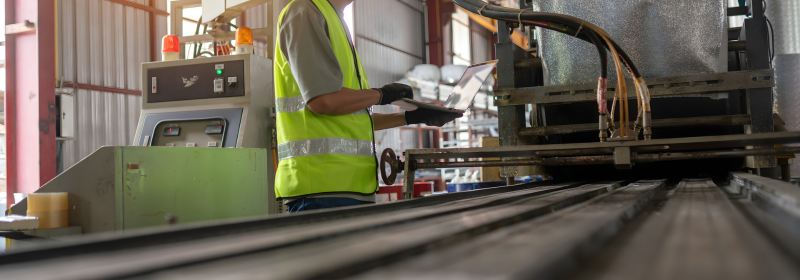
Discover how integrating multiple ISO standards enhances manufacturing efficiency, improves quality and safety, strengthens compliance, and drives sustainable growth.
Manufacturing organizations today operate in a highly complex environment defined by intense global competition and stricter regulatory expectations. Companies must maintain product quality, ensure worker safety, manage environmental impact, safeguard business integrity, and effectively manage critical assets and optimize energy usage, all while controlling costs and meeting rising customer demands. When these priorities are managed through separate systems, it often leads to operational silos, duplicated efforts, and increased compliance challenges.
Integrated ISO management systems offer a practical solution. Standards such as ISO 9001, ISO 14001, ISO 45001, ISO 50001, ISO 37001, and ISO 55001 provide structured frameworks for managing quality, environmental performance, workplace safety, ethical business practices, asset reliability, and energy efficiency. When implemented together, these standards help manufacturers streamline processes, strengthen risk management, and gain better visibility across operations.
Why Multiple ISO Standards Matter in Manufacturing?
Manufacturing operations involve a wide range of responsibilities and manufacturers must manage multiple operational priorities at the same time. ISO management system standards provide a structured way to address these priorities and maintain consistent control over critical business processes. Standards such as ISO 9001, ISO 14001, ISO 45001, ISO 37001, ISO 50001 and ISO 55001 each address specific areas of organizational performance. While each standard provides value individually, their real strength lies in working together. When implemented collectively, they create a broader framework that aligns quality, safety, sustainability, governance, and asset management objectives across the organization.
Moreover, integration is further simplified by the High-Level Structure (HLS) used in modern ISO standards. The shared structure ensures that key elements, such as leadership commitment, risk-based thinking, and continual improvement, are consistent across different standards. As a result, organizations can manage multiple requirements within a single and coordinated management system, reducing duplication and simplifying implementation.
Driving Consistent Quality and Operational Excellence with ISO 9001
ISO 9001 is the most widely adopted quality management standard globally. It provides organizations with a systematic framework to consistently deliver products and services that meet both customer expectations and regulatory requirements.
For manufacturing organizations, ISO 9001 plays a critical role in strengthening operational consistency and product reliability. By promoting a process-based approach, the standard encourages manufacturers to reduce defects, minimize rework, improve efficiency, and build stronger trust with customers and business partners.
Some key benefits of ISO 9001 for manufacturers include:
- Process standardization, which ensures consistent production methods and reduces variations in product quality
- Continuous improvement, enabling organizations to identify inefficiencies, correct issues, and enhance operational performance over time
- Customer-focused operations, encouraging organizations to better understand customer requirements and improve overall satisfaction
- Stronger supplier management, ensuring that raw materials and components consistently meet required quality specifications
Advancing Sustainable Manufacturing with ISO 14001
ISO 14001 provides organizations with a structured approach to managing their environmental responsibilities. The standard helps manufacturers identify how their operations impact the environment and implement effective measures to reduce those impacts. By integrating environmental management into daily processes, manufacturing organizations can improve efficiency and reduce risks associated with environmental issues.
Some key benefits of ISO 14001 for manufacturers include:
- Ensure compliance with environmental regulations, reducing the risk of penalties, legal issues, or operational disruptions
- Reduce waste, emissions, and resource consumption, supporting more sustainable production practices
- Improve energy and material efficiency, which can help lower operational costs over time
- Strengthen sustainability initiatives and corporate reputation, which are increasingly important to customers
Building Safer Workplaces with ISO 45001
ISO 45001 provides a framework for organizations to create safer and healthier workplaces. The standard focuses on identifying potential hazards, assessing risks, and implementing preventive measures to protect employees and other stakeholders.
In manufacturing environments, where heavy machinery, complex processes, and demanding working conditions are common, effective health and safety management is especially important. ISO 45001 helps organizations take a proactive approach to workplace safety rather than reacting to incidents after they occur.
Some key benefits of ISO 45001 for manufacturers include:
- Reduce workplace accidents and injuries by identifying hazards early and executing appropriate control measures
- Improve employee well-being and morale, which can contribute to higher engagement and productivity
- Promote a stronger safety culture, making health and safety an integral part of daily operations
- Minimize operational disruptions and costs associated with workplace incidents, including downtime, compensation claims, and regulatory penalties
Enhancing Energy Efficiency and Cost Control with ISO 50001
ISO 50001 provides organizations with a systematic framework to improve energy performance and efficiency. This is particularly important for manufacturing, where energy consumption often represents a significant portion of operational costs. The standard helps organizations establish processes to monitor, manage, and continuously improve energy use across their operations.
Some key benefits of ISO 50001 for manufacturers include:
- Improved monitoring and analysis of energy usage, enabling organizations to better understand energy consumption across production processes and facilities
- Identification of energy-saving opportunities, helping manufacturers reduce energy consumption and operational costs
- Greater efficiency in equipment and production systems, supporting more optimized and reliable operations
- Support for sustainability and carbon reduction goals, helping organizations align with broader environmental and climate commitments
Strengthening Ethical Practices and Compliance with ISO 37001
ISO 37001 provides organizations with a structured framework to prevent, detect, and address bribery risks within their operations and business relationships. In manufacturing industries, companies frequently interact with suppliers, contractors, distributors, and regulatory authorities, often across multiple regions. These complex interactions can increase exposure to ethical and compliance risks if appropriate controls are not in place. ISO 37001 enables organizations to establish clear policies, accountability mechanisms, and monitoring processes that promote transparency and integrity in business operations.
Some key benefits of ISO 37001 for manufacturers include:
- Stronger governance and ethical business practices, helping organizations establish clear anti-bribery policies and expectations across the company
- Reduced corruption risks in supply chains, through due diligence and monitoring of suppliers, contractors, and business partners
- Greater transparency and accountability in procurement, contracting, and vendor management processes
- Improved reputation and stakeholder confidence, particularly when operating in global markets with strict compliance expectations
Maximizing Asset Performance and Lifecycle Value with ISO 55001
ISO 55001 provides a systematic framework for managing physical assets throughout their lifecycle. For manufacturing organizations, assets such as production equipment, machinery, facilities, and infrastructure are critical to maintaining consistent production and operational efficiency. Poorly managed assets can lead to unexpected breakdowns, production delays, and increased maintenance costs.
ISO 55001 enables manufacturers to take a structured approach to asset planning, monitoring, maintenance, and performance improvement, ensuring that assets continue to deliver value over time.
Some key benefits of ISO 55001 for manufacturers include:
- Improved lifecycle management of equipment and machinery, ensuring assets are maintained, upgraded, or replaced at the right time
- Optimized asset performance, helping organizations maximize productivity from critical production equipment
- Reduced equipment failures and maintenance-related downtime, improving overall production reliability
- Better long-term investment planning for infrastructure and machinery, enabling more informed capital expenditure decisions
Major Benefits of Implementing Multiple ISO Standards
1. Streamlined Processes Through an Integrated Management System
One of the key advantages of implementing multiple ISO standards is the ability to combine them into a single Integrated Management System (IMS). Instead of managing separate systems for quality, environmental management, and occupational health and safety, organizations can align these requirements within one coordinated framework.
Because many ISO standards share similar elements, such as leadership involvement, risk management, internal audits, and continual improvement, organizations can manage these requirements through unified policies and procedures. This reduces duplicated documentation, simplifies audits, and makes training more efficient. As a result, manufacturers can operate with greater consistency while reducing administrative complexity.
2. Cost Savings and Resource Optimization
Integrating multiple ISO standards can also help organizations reduce operational costs. When management systems operate independently, companies often maintain separate documentation, audits, and training programs.
By integrating standards, manufacturers can combine audits, share documentation processes, and streamline compliance activities. Certification bodies may also conduct combined audits, reducing audit time and associated certification costs. This more efficient use of resources allows organizations to manage compliance while controlling operational expenses.
3. Holistic Risk Management
Manufacturing organizations face risks related to product quality, environmental compliance, and workplace safety. Managing these risks through separate systems can make it difficult to identify connections between them.
Integrating multiple standards allows organizations to manage risks more effectively. For example, ISO 9001 addresses quality-related risks, ISO 14001 focuses on environmental impacts, and ISO 45001 targets workplace safety hazards. Integrating these systems enables organizations to identify and address risks across operations more proactively.
4. Improved Operational Efficiency
When quality, safety, and environmental objectives are aligned within a single system, organizations gain better visibility into operational processes. This makes it easier to identify inefficiencies, reduce waste, and improve resource utilization.
Integrated systems also encourage better collaboration between departments. By working within a shared framework, teams can coordinate efforts more effectively and eliminate operational silos, leading to smoother and more efficient workflows.
5. Enhanced Decision-Making Through Integrated Data
An integrated management system provides leadership with a more comprehensive view of organizational performance. Instead of reviewing separate reports for quality, safety, and environmental performance, management can analyze consolidated data.
This unified perspective helps organizations identify trends more quickly, anticipate risks, and make better-informed strategic decisions that support long-term operational improvement.
6. Competitive Advantage and Market Access
ISO certifications are widely recognized across global industries and often serve as a requirement for participating in international supply chains. Organizations certified to multiple standards demonstrate a strong commitment to quality, safety, and environmental responsibility.
This can enhance credibility with customers, regulators, and business partners, giving manufacturers a competitive advantage and improving opportunities to enter new markets.
7. Sustainability and Environmental Responsibility
Manufacturers are increasingly expected to operate responsibly and reduce their environmental impact. Standards such as ISO 14001 and ISO 50001 provide frameworks for managing environmental performance and improving energy efficiency.
When integrated with other management systems, these standards help organizations reduce waste, optimize energy use, and support long-term sustainability goals.
8. Improved Organizational Culture and Employee Engagement
Adopting multiple ISO standards also strengthen organizational culture. Clearly defined roles, documented procedures, and structured training help employees better understand their responsibilities.
This clarity improves accountability and encourages employee participation in improvement initiatives. Over time, organizations often develop a stronger culture focused on quality, safety, and continuous improvement.
Best Practices for Creating Unified Management Systems
While implementing multiple ISO standards offers clear benefits, organizations should approach integration in a structured and practical way. A well-designed Integrated Management System (IMS) ensures that different standards work together smoothly rather than functioning as separate systems.
-
Align Leadership and Organizational Goals
Strong leadership commitment is essential for successful integration. Management should ensure that organizational policies, objectives, and operational strategies are aligned with the requirements of the various standards. When leadership actively supports the system, it helps embed quality, environmental, and safety priorities into everyday operations.
-
Use a Unified Documentation Framework
Developing a single documentation framework can greatly simplify system management. Shared policies, procedures, and records help reduce duplication, improve consistency across departments, and make the system easier to maintain and update over time.
-
Conduct Integrated Audits
Organizations can improve efficiency by conducting integrated internal audits that review multiple ISO standards at the same time. This approach minimizes disruption to daily operations while providing a broader view of organizational performance and areas for improvement.
-
Train Employees Across Systems
Employee awareness is important for an effective integrated management system. Training should help employees understand how different systems, such as quality, environmental, and occupational health and safety, are connected. This encourages better participation and supports a culture of continuous improvement across the organization.
Challenges Organizations Should Consider
While implementing multiple ISO standards offers significant advantages, organizations may encounter certain challenges during the integration process. Recognizing these challenges early can help manufacturers plan more effectively and ensure smoother implementation.
-
Implementation Complexity
Integrating several ISO standards into a single system requires careful planning and coordination. Organizations need to ensure that the requirements of each standard are properly addressed without creating overly complex procedures or documentation. A structured approach to system design can help simplify integration and maintain clarity across processes.
-
Cultural Change
Adopting new management systems often requires changes in how employees work and interact with existing processes. Staff may need time to adjust to updated procedures, responsibilities, and performance expectations. Clear communication, employee involvement, and proper training are essential to encourage acceptance and ensure successful implementation.
-
Resource Allocation
Implementing multiple standards may require initial investments in training, consulting support, and system development. Organizations may also need to dedicate internal resources to manage the transition effectively. However, these upfront efforts often lead to long-term benefits such as improved efficiency, reduced risks, and stronger operational performance.
A Unified Approach to Quality, Safety, and Sustainability
Manufacturing organizations must balance multiple priorities such as product quality, environmental responsibility, employee safety, operational efficiency, and regulatory compliance. Managing these areas through separate systems can create unnecessary complexity and limit visibility across operations. Integrating multiple ISO standards allows manufacturers to take a more coordinated approach, aligning processes, improving risk management, and strengthening overall performance. When quality, safety, environmental, and energy objectives work within a unified framework, organizations are better positioned to drive continuous improvement and long-term operational resilience.
For companies looking to take this step, working with an experienced certification body can make a meaningful difference. INTERCERT works with organizations across industries to deliver internationally recognized certification and professional training services aligned with ISO management system standards. Through its expertise in certification processes and industry best practices, INTERCERT contributes to strengthening credibility, improving management system maturity, and enabling organizations to demonstrate their commitment to quality, safety, and sustainability in global markets.


 +1 (281) 720-3261
 info@intercert.com
 2001 Timberloch Place - Suite 500, The Woodlands, Texas 77380, United States